

By: Nicole Gorden, M.S., BCBA, LBA
During the summer break, parents and providers of children with autism may seek guidance on effective strategies to keep them engaged and occupied during this time. Fortunately, Applied Behavior Analysis (ABA) research provides valuable insights and evidence-based interventions to ensure a fulfilling and enjoyable summer experience for children on the autism spectrum. Let’s explore some research-backed strategies and resources aimed at keeping children engaged and occupied during the summer months.
1. Implement Structured Schedules
Children with autism benefit from predictable routines, which can reduce anxiety and promote a sense of stability (Smith et al., 2018). Establish a visual schedule that outlines the daily activities and transitions, incorporating both familiar routines and new summer-specific activities. Visual schedules, such as picture-based schedules, can effectively help children understand and anticipate their daily routines. If you are in need of some resources, you can find visual schedules here: https://difflearn.com/collections/schedule-sale
2. Engage in Sensory Play
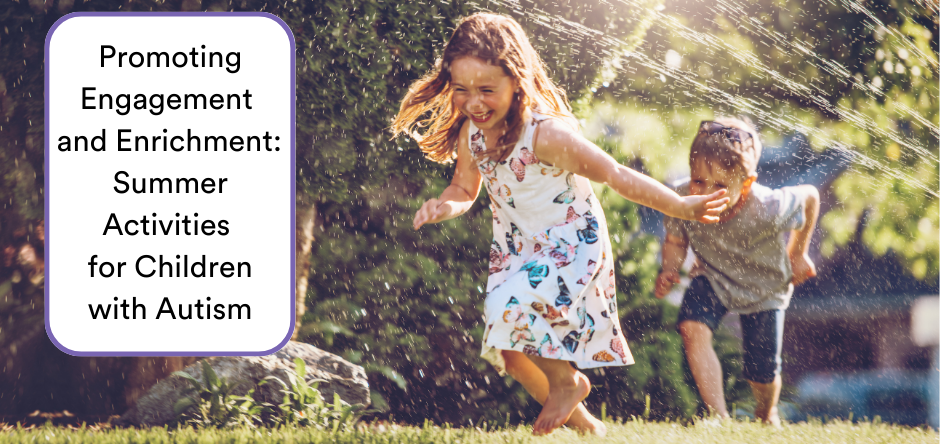
Sensory play activities can offer opportunities for exploration, self-regulation, and sensory integration for children with autism. Research has shown that sensory-based interventions can lead to improvements in attention, social interaction, and adaptive behavior (Schilling et al., 2003). Consider incorporating sensory-rich activities, such as playing with water, sand, or textured materials, to provide engaging and stimulating experiences for your child. If you are interested in some supplies to encourage sensory play, you can find materials here: https://difflearn.com/collections/sensory-supports
3. Explore Nature and Outdoor Activities
Outdoor activities can provide numerous benefits for children with autism, including sensory experiences, physical exercise, and social interaction opportunities (Fisher et al., 2011). Take advantage of the summer weather and engage in activities such as visiting parks, going on nature walks, or participating in outdoor sports. These experiences can foster exploration, imagination, and a connection with the natural world.
4. Promote Social Interactions
Social skills development is a crucial aspect of a child’s overall development. Encourage social interactions by organizing playdates with peers who understand and support your child’s unique needs. In addition, community-based programs and summer camps specifically designed for children with autism offer structured environments that facilitate socialization and skill-building (Vernon et al., 2014). Such programs often provide opportunities for positive peer interactions and the development of social skills. You can check out these social skills games and activities as well: https://difflearn.com/collections/social-skills-games
5. Utilize Technology and Educational Resources
Technology can serve as a valuable tool to support engagement and learning for children with autism. Educational apps and websites designed for children with autism offer interactive and individualized activities that can enhance communication, academic skills, and independence (Ramdoss et al., 2011). Carefully select age-appropriate and evidence-based resources to ensure their effectiveness in promoting skill development.
6. Incorporate Special Interests
Children with autism often have unique and intense interests. These special interests can be leveraged to foster engagement and motivation during the summer break. Encourage activities related to your child’s interests, such as reading books, engaging in crafts, or participating in outings aligned with their passions (Solomon et al., 2008). By incorporating their special interests into summer activities, you can create meaningful and enjoyable experiences that support their overall development.
With the support of evidence-based strategies, parents and providers can ensure that children with autism have an engaging and fulfilling summer break. By implementing structured schedules, incorporating sensory play, exploring nature, promoting social interactions, utilizing technology and educational resources, and embracing special interests, you can create a summer filled with enriching experiences for your child. Remember, each child is unique, so adapt these strategies to meet their individual needs and preferences. By doing so, you can make this summer a time of growth, fun, and lifelong memories for your child with autism.
References
Smith, T., Klorman, R., & Mruzek, D. W. (2018). Predicting summer learning gains for students with autism spectrum disorder. Journal of Autism and Developmental Disorders, 48(6), 1930-1942.
Schilling, D. L., Schwartz, I. S., & Sandall, S. R. (2003). Children with autism in inclusive preschool settings: Can teaching assistants effectively implement behavioral interventions? Journal of Autism and Developmental Disorders, 33(5), 559-571.
Fisher, A. G., Bundy, A. C., & Murray, E. A. (2011). Sensory integration: Theory and practice (2nd ed.). F. A. Davis Company.
Vernon, T. W., Miller, A. R., Ko, J. A., & Pugliese, C. E. (2014). Recreation programs for children with autism: Impact on families. Therapeutic Recreation Journal, 48(4), 271-288.
Ramdoss, S., Lang, R., Mulloy, A., Franco, J. H., O’Reilly, M., Didden, R., … & Lancioni, G. (2011). Use of computer-based interventions to teach communication skills to individuals with autism spectrum disorders: A systematic review. Journal of Behavioral Education, 20(1), 55-76.
Solomon, M., Ono, M., Timmer, S., & Goodlin-Jones, B. L. (2008). The effectiveness of parent-child interaction therapy for families of children on the autism spectrum. Journal of Autism and Developmental Disorders, 38(9), 1767-1776.
About the Author
Nicole Gorden, M.S., BCBA, LBA has over 14 years of experience implementing Applied Behavior Analysis principles with the Autism Population. She currently works for Comprehensive Behavior Supports in Brooklyn, NY.
The post Promoting Engagement and Enrichment: Summer Activities for Children with Autism appeared first on Different Roads to Learning Blog.


