

By: Dana Reinecke, PhD, BCBA-D
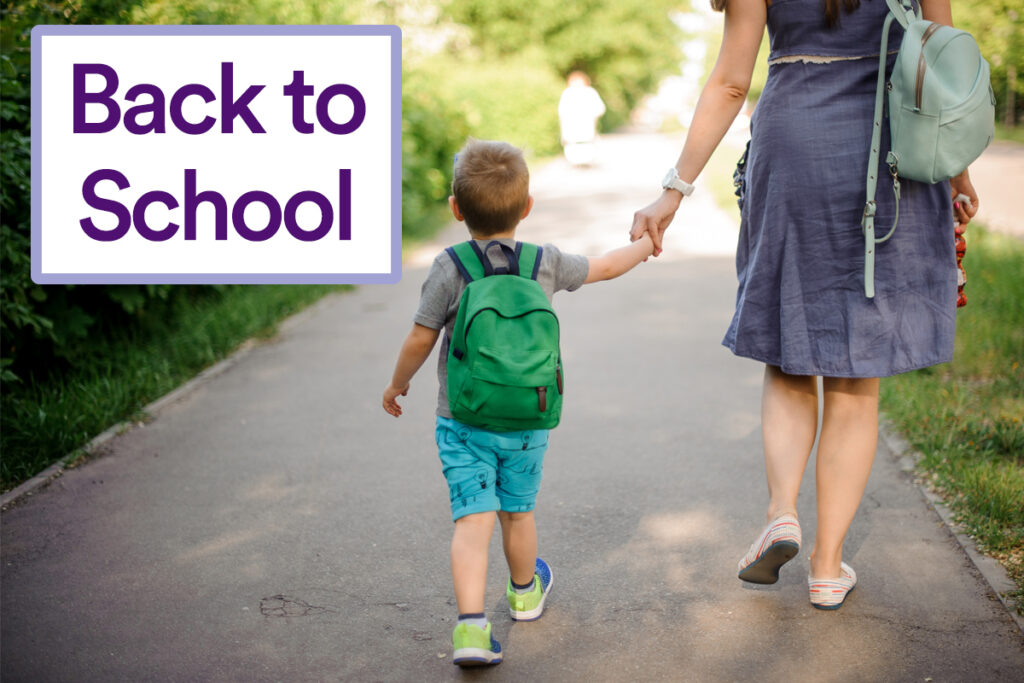
Hey, it’s still the middle of Summer! Why are we talking about back to school already? Put down that pumpkin spice and get in the pool!
But seriously . . . like it or not, back to school is coming. Some students look forward to returning to school with anticipation, and some with dread. Some students who receive special education services attend school year-round. Even for these students, back-to-school may be an adjustment because the summer session may be characterized by shorter days, more recreational activities, different staff, and end a good few weeks before school restarts for the academic year.
For all children, it’s a good idea to start anticipating going back to school with some time for adjustment and planning. For students with special needs, this is especially important, as changes can be challenging. Here are some ideas for helping to ease that transition:
- Talk about school and highlight the fun and exciting things they will get to do. Remember what was most reinforcing at school for your child last year, and help them to remember that, too. Did they love PE or music or art? Are they especially talented in math or writing? Do they have certain friends they like to play with at recess? Is the cafeteria pizza their absolute favorite? Is the walk to and from school something they enjoy?
- Provide information about the coming year as you are able to. If your child will be starting school in a new building, make arrangements to visit the building a few times over the summer. Most schools will have these visit days or orientations arranged for all students, but you may be able to request an extra visit or two for a child who would benefit from some additional exposure.
- When you make those visits, take some pictures and use them to develop a book or poster with your child that they can refer to as the summer progresses. Don’t just refer to the pictures if your child expresses anxiety or disappointment about school starting, but as a regular activity to build familiarity and (hopefully) anticipation.
- Pay attention to your family sleep schedule. Sometimes the summer schedule can get a little loose, which may be great for everyone. We can all benefit from sleeping on our own natural schedule, but if that natural schedule departs in a big way from what will be needed during the school year you will want to start to gradually shift it back. To make the change less abrupt, in the weeks before school starts again, start to wake your child a bit earlier every day and get them to bed a bit earlier each night.
- If your child is always an early waker, you might want to take advantage of a more relaxed summer schedule to focus on building independence in the morning routines. During the busy school year it can be challenging to take the time to let your child learn to do things independently, but summer is a great time to let them dress themselves, brush their own hair, and do other self-care tasks with your supervision.
- Consider the routines that make your school-year mornings work well, and continue to practice them during less-stressful summer mornings. Keeping a reasonably structured routine throughout the summer, or reintroducing it a few weeks before school starts, can help everyone to adjust to the return to school more smoothly.
- If possible, connect with parents of some of your child’s classmates and see if you can get them together over the summer. If social skills are difficult for your child, keep these playdates short and sweet. Try meeting up in enjoyable locations like the park or beach, and letting kids parallel play so that they are used to seeing each other. Pair these little gatherings with favorite snacks, fun activities that can be done together or alone (bubbles, sidewalk chalk, play-doh, jumping through a sprinkler), and remind the children that they will be seeing each other and playing more together when school starts.
- For some children, school represents a return to certain demands that may not be present during the summer. If your child has sensitivities around clothing or food, you may be able to accommodate these more when they are not in school. While this is absolutely fine to do, it can be difficult if they need to abruptly shift back to different expectations when school starts again. Children who love to stay in their pajamas or bathing suits might be unhappy about school clothes, or those who get used to a hot, home-cooked lunch might not appreciate going back to sandwiches. Keeping some of these expectations part of the summer rotation can ease that stress. To whatever extent it feels comfortable and fair for your child and your family, continued exposure to school-year conventions are going to make the return to school easier for everyone.
We can all remember that going back to school is both exciting and challenging for everyone. In addition to cheering your child on as they return to a new school year and possible new challenges and triumphs, it’s equally important to be empathetic about disappointment that summer vacation is ending, and anxieties about upcoming changes. Compassionately addressing your child’s reactions to returning to school, whatever they may be, includes listening, understanding, and helping. What this looks like will be different for each child, but as a parent you have the knowledge of your unique child’s needs and strengths to provide compassionate support.
About the Author:
Dana Reinecke, Ph.D., BCBA-D is a doctoral level Board-Certified Behavior Analyst (BCBA-D) and a New York State Licensed Behavior Analyst (LBA). Dana is a Core Faculty member in the Applied Behavior Analysis department at Capella University. She is also co-owner of SupervisorABA, an online platform for BACB supervision curriculum, forms, and hours tracking. Dana provides training and consultation to school districts, private schools, agencies, and families for individuals with disabilities. She has published her research in peer-reviewed journals, written chapters in published books, and co-edited books on ABA and autism. Current areas of research include use of technology to support students with and without disabilities, self-management training of college students with disabilities, and online teaching strategies for effective college and graduate education. Dana is actively involved in the New York State Association for Behavior Analysis (NYSABA).
The post Back to School appeared first on Different Roads to Learning Blog.


