

Description
As a social worker in community mental health services, I spent a lot of my time looking for information. I looked for information to see how one of the participants in my program who experienced family violence could find some help. I looked for information to find a gym that another participant could use, that would be welcoming to him. Another person wanted to learn to drive; another needed information about his brain injury; another wanted to do art; another needed a physiotherapist; another needed support as he reduced his marijuana intake.
As a social worker in community health services, I googled my butt off. I made a thousand phone calls to find that information. And once I found it, I asked, “Do you have a waiting list? Do you work with people over 60 years old? Do you work with teenagers? Do you work with people who live outside your area? Does your service cost money? Is your facility near public transport? Is your facility wheelchair accessible?”
The skill that I developed was learning how to ask the right questions. And it’s seriously a skill. It’s hard to find the right organisations and services! It takes tenacity, patience, creativity, and a working phone and internet connection. Often, it also took a car and a couple of visits. It also meant that I was learning a lot about what was available in the community, and also that I was gatekeeping information -- the participants I worked with didn’t have access to everything I was finding out, and often I needed to write a professional referral and use a particular form.
The other frustrating thing was that often, because the participant was too old, or lived too far away, they weren’t allowed to use the organization they wanted. They had only one choice.
 |
| Click to enlarge |
The National Disability Insurance Scheme (NDIS) is now changing things up for around 460,000 people with disability (including a number of people who need mental health services). Participants will finally have choice about where they go to get their services! When I heard about the NDIS, I thought, wow – participants are going to be able to make their own decisions about where they get to go! And then I thought, how on earth are they going to do that!? I have all this information in my head, and I know that everyone I’ve worked with does too, participants and staff. The only way we’ll be able to make informed decisions under NDIS is if we find a way to share that information.
So I created Clickability with my team. It’s a website where participants, carers, staff and advocates – anyone with experience – can share their experiences of disability services. My team calls it “Trip Advisor for disability services”! It’s for everyone who has used, or will use, disability services – wheelchairs, therapies, carers – anything that’s funded by the NDIS. We see three major benefits:
- The information is not created by the government, or by marketing teams… it’s created by the people who matter: the people who have actually used the services.
- By reviewing, you have your voice heard. You get to give real feedback about your experiences, and endorse the wonderful organisations you know.
- You can see what other people have said about an organization before you purchase services from them so you can make really informed decisions.
But our big vision is a fully accessible, welcoming society. So if there’s a taxi company, a swimming pool, a doctor who worked really well with you, and you want to write a review and let others know about them, they go up on Clickability too.
We’re taking your lead – what do you think is important? Which organisations make your life easier? We’ve made the website for you – we want to hear all about them, good or bad.
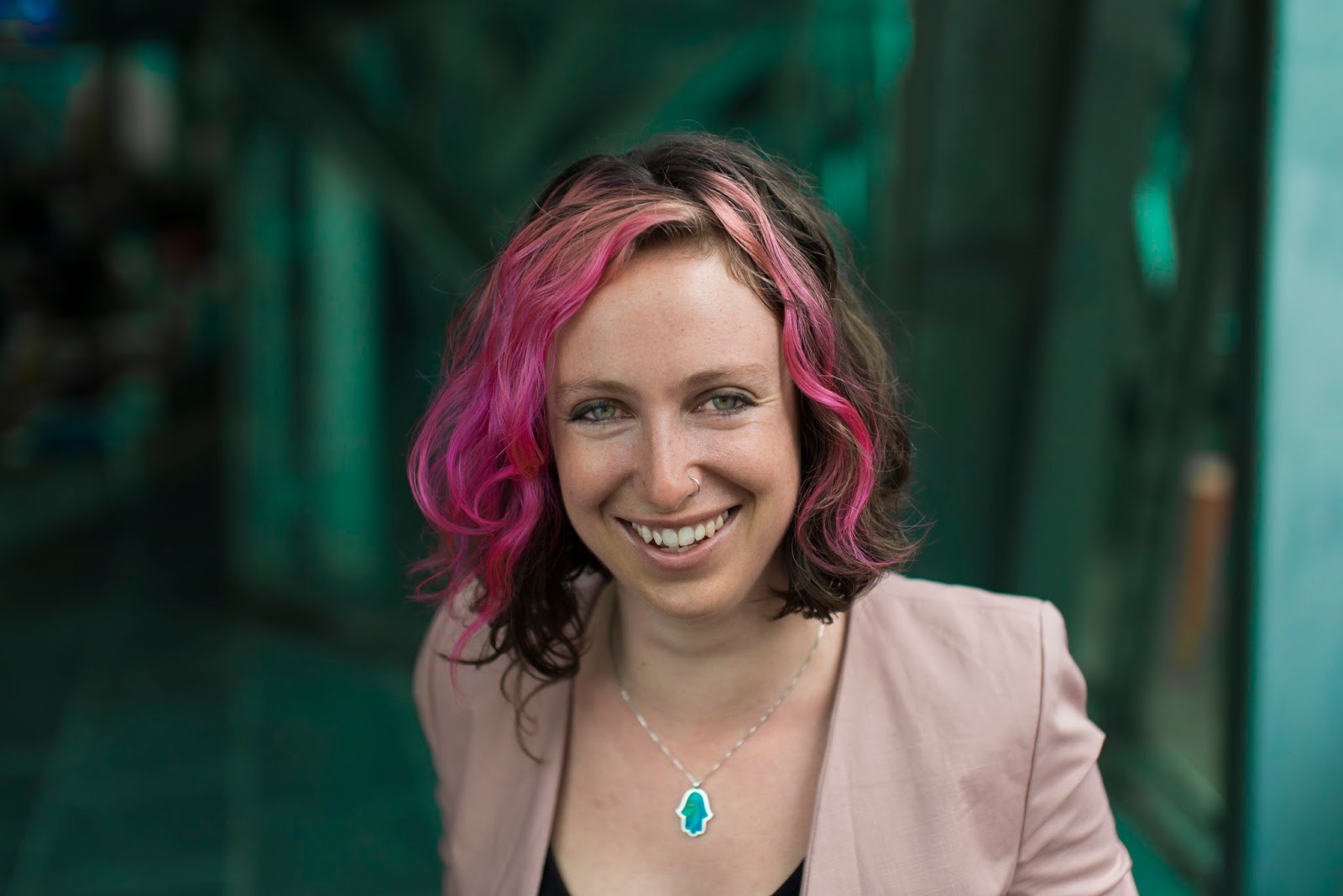 Aviva Beecher Kelk is a social worker and researcher. She runs Clickability.com.au and is doing a PhD looking at how people make decisions about which disability support services they purchase. She really likes cheese and dancing.
Image Source: International Day of People With Disabilities
Source: Assistive Technology Blog
Related Feed Entries
Part 1: Why Great Clinicians Can Struggle as Supervisors
by: Cheryl Davis, PhD, BCBA-D, Dana Reinecke, PhD, BCBA-D
Clinical expertise does not automatically translate into supervisory expertise. Supervisors need explicit instruction, modeling, practice, feedback, and ongoing support, just like…
12 days ago · From Different Roads to Learning
Starting April 1, disabled people across England will be able to travel by bus for free at any time of day. Previously, free bus passes were restricted to off-peak hours on weekdays (between 09:30 and 23:00), making it difficult for pass holders to commute to standard morning jobs or attend late-nig…
01.09.2026 · From Assistive Technology Blog
Fallbrook artist Joel Anderson, “The Artist of Smiles,” has his dog portraits on display at TERI Campus of Life in San Marcos through October 2026.
By Debra Muzikar
Last week I had the pleasure to assist Fallbrook artist Joel Anderson in hanging his dog series art outside Teri’s Co…
25.08.2026 · From The Art of Autism
This list is meant as a springboard for discussion and more awareness into the female experience with autism.
By Samantha Craft
Females with Autism: An Unofficial List
Section A: Deep Thinkers
A deep thinker
A prolific writer drawn to poetry
*Highly intelligent
Sees things at multiple levels, incl…
24.08.2026 · From The Art of Autism
The Biology of Breaking
By Jessica Penot
An autistic meltdown is an involuntary loss of behavioral, emotional, and physiological regulation that occurs when an autistic person’s ability to cope with sensory, cognitive, emotional, or environmental demands is exceeded. Unlike a temper tantrum, a meltd…
19.08.2026 · From The Art of Autism
Rate
Info

Recommend

