

Description
I am pleased to see that our government’s understanding of autism is changing. For the first time, the IACC’s Strategic Plan recognizes that the needs of people living with autism today are paramount. This portion of the introduction to the 2016-17 Update speaks for itself:
The IACC has moved toward a paradigm shift in how we approach autism. A few years ago, scientists saw autism as a disorder to be detected, treated, prevented and cured. The majority of research was directed at understanding the genetic and biological foundations of autism, and toward early detection and intervention.
Today, our understanding of autism is more nuanced. We realize that there are many different “autisms” – some severe, and some comparatively mild – and that ASD affects several distinct domains of functioning differently in each individual. We have come to understand that autism is far more common than previously suspected and there are most likely many undiagnosed children, adolescents, and adults in the population, as well as under-identified and underserved individuals and groups, such as girls/women with ASD, people in poorly resourced settings, members of underserved minority communities, and individuals on the autism spectrum with language and/or intellectual disabilities.
Most importantly, individuals on the autism spectrum have become leading voices in the conversation about autism, spurring acknowledgment of the unique qualities that people on the autism spectrum contribute to society and promoting self-direction, awareness, acceptance and inclusion as important societal goals.
Research on genetic risk and the underlying basic biology of ASD remains a primary focus of the research portfolio and does play an important long-term role in the potential to develop new and broadly beneficial therapies and interventions. These advances may one day mitigate or even eliminate some of the most disabling aspects of autism, especially for those on the spectrum who are most severely impacted.
However, balanced with the potential for long term efforts to lead to significant future advance and opportunities, is the importance of efforts that can have a more immediate impact. Individuals on the autism spectrum today will remain autistic for the foreseeable future; most of them have significant unmet needs. To help those people – who range in age from infants to senior citizens – we must in the short-term translate existing research to develop effective tools and strategies to maximize quality of life, and minimize disability, while also ensuring that individuals on the autism spectrum are accepted, included, and integrated in all aspects of community life.
The community has been very clear in its calls for more research into adult issues and better services and supports for the millions of Americans living with autism today. Recent studies of adult mortality have indicated that people with ASD are at higher risk of premature death than people in the general population, painting a very disturbing picture that bears investigation. In light of data and insights from the community, the IACC proposes a comprehensive research agenda that addresses the needs of autistic people across the spectrum and across the lifespan, including improvements to services, supports, and policies. The IACC also believes that, as many in the autism community have indicated, efforts to address the many co-occurring conditions that accompany autism should be made a greater priority.
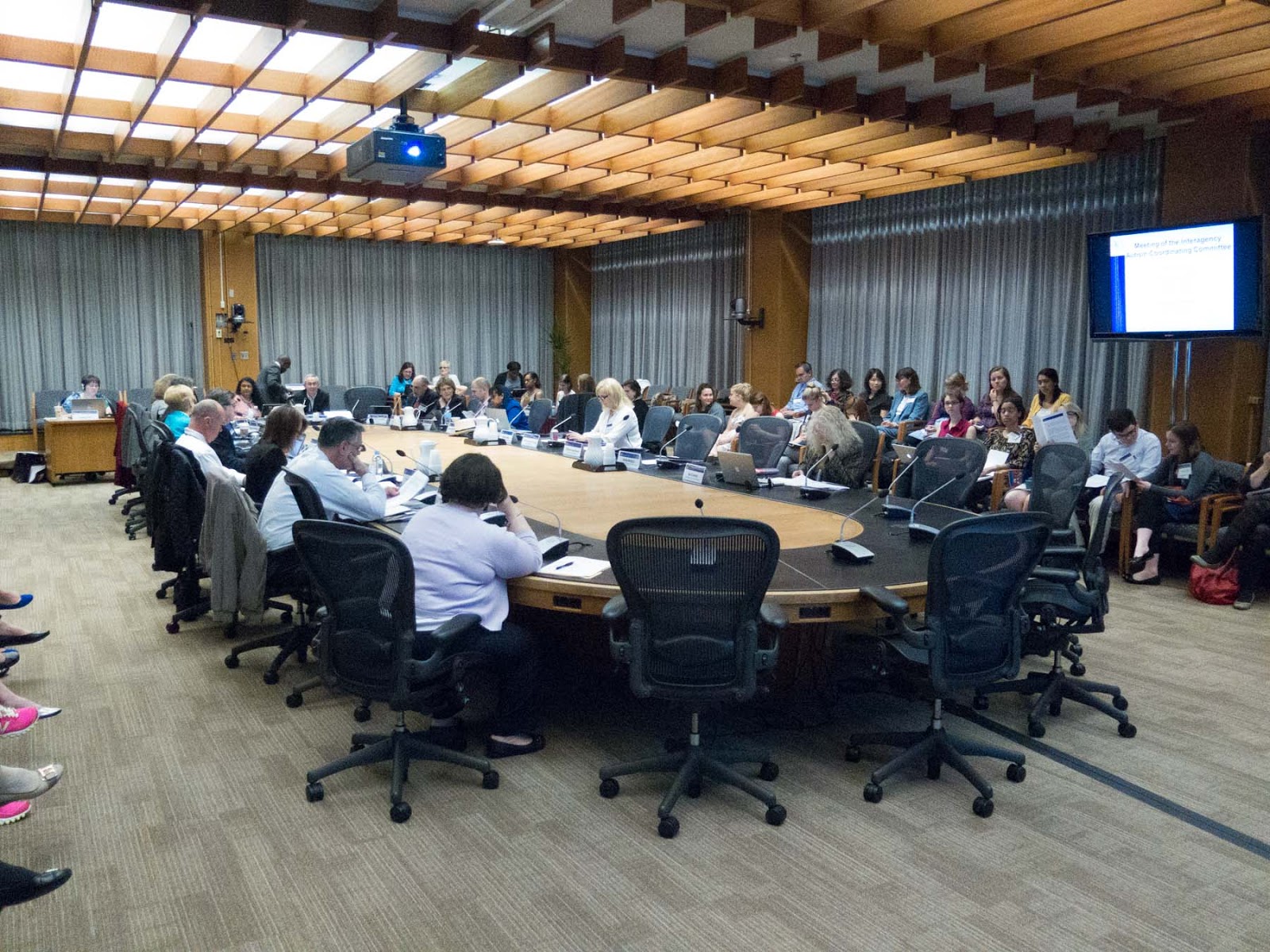 |
| IACC in session, at NIH in Bethesda MD J E Robison photo |

Source: Raising Cubby
Related Feed Entries
Part 1: Why Great Clinicians Can Struggle as Supervisors
by: Cheryl Davis, PhD, BCBA-D, Dana Reinecke, PhD, BCBA-D
Clinical expertise does not automatically translate into supervisory expertise. Supervisors need explicit instruction, modeling, practice, feedback, and ongoing support, just like…
3 days ago · From Different Roads to Learning
Starting April 1, disabled people across England will be able to travel by bus for free at any time of day. Previously, free bus passes were restricted to off-peak hours on weekdays (between 09:30 and 23:00), making it difficult for pass holders to commute to standard morning jobs or attend late-nig…
01.09.2026 · From Assistive Technology Blog
Fallbrook artist Joel Anderson, “The Artist of Smiles,” has his dog portraits on display at TERI Campus of Life in San Marcos through October 2026.
By Debra Muzikar
Last week I had the pleasure to assist Fallbrook artist Joel Anderson in hanging his dog series art outside Teri’s Co…
25.08.2026 · From The Art of Autism
This list is meant as a springboard for discussion and more awareness into the female experience with autism.
By Samantha Craft
Females with Autism: An Unofficial List
Section A: Deep Thinkers
A deep thinker
A prolific writer drawn to poetry
*Highly intelligent
Sees things at multiple levels, incl…
24.08.2026 · From The Art of Autism
The Biology of Breaking
By Jessica Penot
An autistic meltdown is an involuntary loss of behavioral, emotional, and physiological regulation that occurs when an autistic person’s ability to cope with sensory, cognitive, emotional, or environmental demands is exceeded. Unlike a temper tantrum, a meltd…
19.08.2026 · From The Art of Autism
Rate
Info

Recommend

