

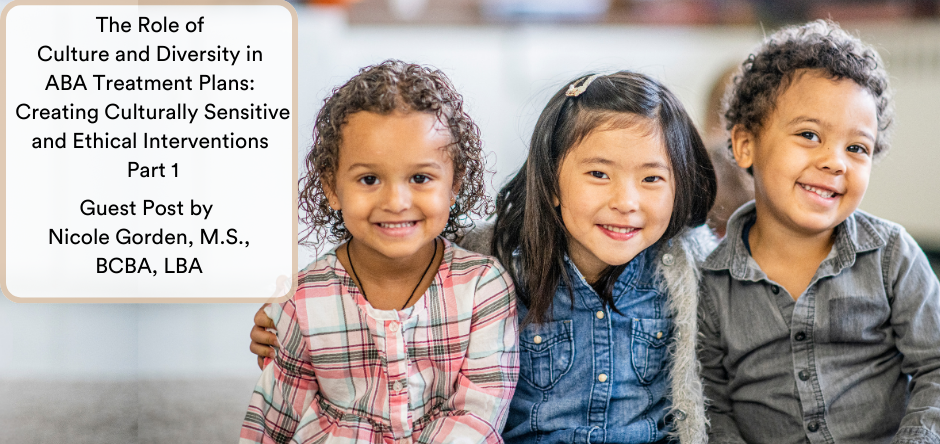
By: Nicole Gorden, M.S., BCBA, LBA
As a black behavior analyst, I have personally witnessed how culture and diversity profoundly impact the effectiveness of treatment for children with autism. It is crucial for us, as professionals, to recognize the role of culture and be conscious of our own biases when creating behavior change programs. We will explore the importance of cultural sensitivity in creating treatment plans and discuss how being attentive to diversity can lead to more ethical and effective interventions. Whether you are a parent, clinician, or teacher, understanding the influence of culture is essential for providing the best support for children with autism.
The Impact of Culture on ABA Treatment
Culture plays a significant role in shaping an individual’s beliefs, values, and behaviors. It influences how we communicate, perceive the world, and respond to interventions. Recognizing and respecting the cultural backgrounds of children with autism is vital in tailoring treatment plans that are both effective and ethical.
Cultural Bias and Behavior Change Programs
As professionals, it is essential for us to examine our own cultural biases. Our biases can inadvertently influence the goals we set and the strategies we employ in behavior change programs. By being aware of our biases, we can ensure that treatment plans are culturally sensitive and respect the unique needs and values of each individual.
For example, a provider working with a child from a collectivist culture may set a goal to increase the child’s independent decision-making skills during play activities. However, in the child’s cultural context, interdependence and collaboration are highly valued, and decision-making is often a shared process among family members. By overlooking this cultural aspect, the clinician’s bias towards individualism may unintentionally disregard the importance of cooperative decision-making, potentially limiting the cultural relevance and effectiveness of the treatment goal.
Cultural Sensitivity and Ethical Considerations
Behavior-change interventions must meet the culturally sensitive needs of the client to be considered ethical. Cultural sensitivity requires us to be attentive and respectful of the individual’s culture, considering how cultural contingencies can support their behaviors and aligning treatment recommendations with the values of their culture. It is crucial to foster an inclusive and culturally responsive environment to promote positive outcomes.
Consider a therapist working with a child from a culturally diverse background who exhibits challenging behaviors during mealtime. The BCBA recognizes that the family’s cultural practices include communal eating, eating with their hands, and the preparation of traditional foods. In this case, an ethically sound intervention would involve understanding and respecting the family’s cultural practices while addressing the challenging behavior. Instead of imposing rigid expectations of eating independently, forcing the child to eat with utensils, or conforming to other Western mealtime norms, the therapist would collaborate with the family to develop strategies that promote positive mealtime experiences while honoring their cultural traditions. This approach ensures that the behavior-change intervention is culturally sensitive and respectful, promoting the client’s well-being while maintaining the integrity of their cultural background.
Promoting Diversity in the Field
As highlighted by Dubay, Watson, and Zhang (2018), “The lack of racial, ethnic, and linguistic diversity in service providers is an issue facing many clinical fields.” Increasing diversity within the field is essential for ensuring culturally competent and effective treatment for individuals from diverse backgrounds. By promoting diversity, we can enhance our understanding of different cultures and provide more inclusive and tailored interventions.
The Importance of Culture in Achieving Socially Meaningful Goals
Recognizing the influence of culture in behavior analysis allows us to design interventions that are relevant, respectful, and aligned with the values of the individual and their community. This leads to interventions that are more meaningful, promote independence, and improve the quality of life for individuals with autism. In addition, it allows our clients to access naturally occurring reinforcement within their own environment which is critical for generalization and maintenance of skills.
Incorporating cultural sensitivity into treatment plans is crucial for creating effective and ethical interventions for children with autism. Recognizing the influence of culture, addressing our own biases, and promoting diversity within the field are key steps toward providing inclusive and meaningful support. By embracing cultural awareness, we can develop interventions that respect and value the unique cultural backgrounds of individuals, leading to better outcomes and enhancing the overall well-being of children with autism.
References
DuBay, M., Watson, L. R., & Zhang, W. (2018). In search of culturally appropriate autism interventions: Perspectives of Latino caregivers. Journal of autism and developmental disorders, 48, 1623-1639.
Fong, E. H., Catagnus, R. M., Brodhead, M. T., Quigley, S., & Field, S. (2016). Developing the cultural awareness skills of behavior analysts. Behavior analysis in practice, 9, 84-94.
About the Author
Nicole Gorden, M.S., BCBA, LBA has over 14 years of experience implementing Applied Behavior Analysis principles with the Autism Population. She currently works for Comprehensive Behavior Supports in Brooklyn, NY.
The post The Role of Culture and Diversity in ABA Treatment Plans: Creating Culturally Sensitive and Ethical Interventions Part 1 appeared first on Different Roads to Learning Blog.


